FAQs about Tooth Implants
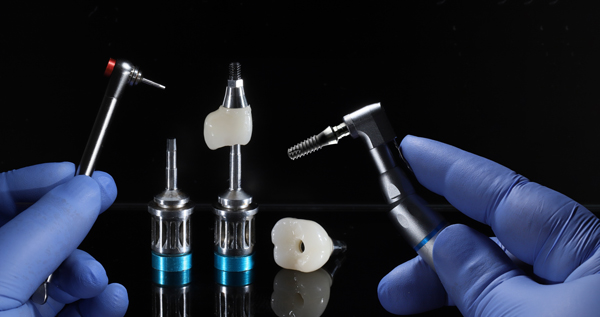
Tooth implants are replacements that look, feel and function like natural teeth. They can be used when someone loses their teeth to injury or decay. The tooth implant procedure is simple, but patients often have plenty of questions about it. Continue reading to discover answers to some frequently asked questions about tooth implants.
Why are tooth implants needed?
Accidents, unsuccessful root canals, gum disease and infection are some of the causes of tooth loss. There are many reasons to replace missing teeth. Leaving a gap in the smile can affect eating and speech. Also, adjacent teeth can start moving or shifting, and sometimes, bone loss can occur in the area. Using tooth implants helps to prevent these issues.
How do tooth implants work?
Tooth implants are usually made from titanium, a biocompatible metal that functions as reliable support (artificial root) for the replacement teeth. The natural bone integrates with the implant to keep it stable and firm inside the jawbone. Implants have been in use for four decades as an effective teeth replacement method.
What is the success rate of tooth implants?
It varies, depending on patients and their oral health habits. For a healthy patient with excellent oral hygiene and good overall health, tooth implants are highly successful, with a rate of about 95 percent. Tooth implants are not susceptible to decay, however, the health of the gums and bone is crucial for long-term success.
What does the procedure entail?
Tooth implant placement is a safe procedure in dentistry and is the only replacement option that caters to the missing root and provides stimulation to the natural bone under the tooth. The number of dental appointments depends on the condition of the patient and the extent of tooth loss. The dentist can give an estimate of how long the process will take.
Is the process painful?
During the procedure, the dentist may administer full or partial sedation or use an anesthetic to numb the area. This will keep the patient comfortable throughout the implant placement procedure. Post-procedural discomfort can be managed with pain relievers prescribed by the dentist or over the counter.
How long before the mouth heals?
It can take between two to several months for the bone to heal and integrate with the implant. Everyone heals at a different rate. However, the dentist will continue to monitor the progress of the healing to ensure everything is in order.
What are the benefits of tooth implants?
Tooth implants are the closest match to natural teeth available. With adequate care, dental implant restorations can last a lifetime and can help improve the appearance of the smile, confidence, as well as dental functions. Although it costs more to get this option, the investment is usually worth it in the long term.
In conclusion
When missing one or several teeth, patients may be eligible to get tooth implants from the general dentist. To get started, book a consultation appointment to learn more about the procedure and see how to restore your smile with an tooth implant restoration.
Request an appointment here: https://designdentistry.com or call Design Dentistry at (360) 928-6050 for an appointment in our Camas office.
Check out what others are saying about our dental services on Yelp: Dental Implants in Camas, WA.
Related Posts
Gum disease treatment helps maintain healthier gums by reducing infection-causing bacteria and helping the tissues reattach more securely around the teeth. Gum disease often begins with mild symptoms, but it can progress silently and significantly impact overall oral health. Our dentist can evaluate the severity of your gum disease and develop a structured plan to…
Dental implants feel and function just like natural teeth, and they can last a lifetime. An implant is a rod or screw that is placed in the jawbone. It is usually made out of titanium, but it can also be made out of zirconium.Dental implants replace missing teeth roots, and restorations like crowns are placed…
Dental veneers and dentures are among the most common treatments that dental providers use to restore patients' smiles. Veneers are thin shells that fit over natural teeth to improve their appearance, while dentures replace missing teeth and restore oral function. Although these treatments serve different purposes, they can sometimes work in combination through a smile…
Visiting a cosmetic dentist is the first step to transforming the appearance of the smile through personalized dental services. While cosmetic improvements are the primary focus, consultations often begin with a thorough evaluation of oral health to ensure a solid foundation for lasting results. Understanding how to prepare for this appointment not only improves communication…