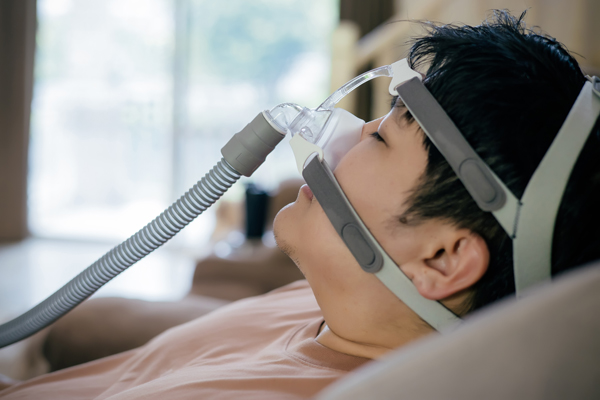
You may be wondering how having sleep apnea (SA) concerns a dentist. Is the dentist not all about teeth? Well, it turns out that a dentist can find out if you are struggling with sleep just by looking at your teeth.
What it is?
This is described as a sleep disorder characterized by repeated breathing that is interrupted and starts again during sleep. Signs include snoring, sleeplessness, and waking up tired even after a long night's sleep. There are three main types of this sleep-related breathing disorder. They include:
- Obstructive SA – This is the most frequently seen sleep-related breathing disorder. This happens due to the relaxation of the throat muscles. Hence, there is either a partial or complete blockage of the upper airway when you sleep. When this happens, your chest muscles and diaphragm work to increase pressure and open your airway. Usually, breathing restarts with a body jerk or a gasp for air.
- Central SA – In this case, the brain is the culprit. The airway is clear and patent; however, the respiratory control center in the brain fails to send adequate signals to the muscles responsible for breathing when you sleep. Hence, breathing gets interrupted.
- Complex SA syndrome -This type occurs when a person has both obstructive SA and central SA. It is potentially life-threatening and requires emergency medical attention.
Risk factors include old age, obesity, having a large neck, and structural abnormalities in the upper airway anatomy.
Signs and symptoms
The common signs you can notice or experience when your breathing is interrupted repeatedly when you sleep include:
- Snoring
- Repeated episodes of breath cessation
- Gasping for air or jerking during sleep
- Waking up with a dry mouth or sore throat
- Headaches
- Insomnia- having trouble trying to sleep or staying asleep
- Hypersomnia- feeling excessively sleepy during the day
- Trouble concentrating
- Forgetfulness
- Irritability
- Night sweats
- Mood changes
- Bruxism- tooth grinding
How does a dentist diagnose it?
A dentist can diagnose sleep apnea through:
- Your teeth and gums –One of the signs of breathing interruptions during sleep is bruxism (tooth grinding). When you grind your teeth, you end up with worn, chipped, and cracked tooth surfaces. Prolonged and excessive tooth grinding can result in more jagged teeth, cavities, inflammation, and receding gums. Hence, once your dentist notices these signs during an oral examination, they could send you for a sleep study and diagnose a sleep disorder.
- Your tongue, jaw, and throat-Snoring is another sign of sleep-related breathing disorder. When you snore too much, your tongue begins to have scalloped edges, your jaw is smaller, and your throat becomes sore and reddened. Hence, if your dentist notices the above features, he could diagnose a sleep-related breathing disorder.
Also, a big tongue (macroglossia) can block your airway when you sleep and disrupt your breathing. Your dentist may ask some questions if he notices it and could diagnose sleep disorders.
Although dentists are not permitted to diagnose sleep apnea, they can take note of signs and help treat it.
Request an appointment here: https://designdentistry.com or call Design Dentistry at (360) 928-6050 for an appointment in our Camas office.
Check out what others are saying about our dental services on Yelp: Do I Have Sleep Apnea in Camas, WA.
Related Posts
Sleep apnea is a medical condition that a lot of people suffer from. Dental specialists that focus on dental sleep medicine are able to manage and treat sleep apnea through a variety of different methods. Each method is customized to fit the patient’s needs, but some of the most popular methods include the use of…
Sleep apnea is a common, concerning, but treatable condition. Individuals who suffer from this condition may snore loudly, gasp for breath, or snort in their sleep. People with severe cases may even stop breathing at night for short periods. People with this condition often wake up feeling unrefreshed, have severe daytime fatigue, and experience regular…
Sleep apnea is a serious condition that causes the airway to become obstructed. Airway obstruction leads to an inability to breathe as oxygen is no longer able to flow. Additionally, sleep apnea can result in a lack of sleep, which may translate to poor work ethic, irritability, and stress. Thankfully, sleep apnea can be addressed, managed,…
Preventive dentistry is important in maintaining oral health. Visits in this field of dentistry involve treatment and dental education. These appointments aim to prevent gum disease, cavities, and enamel wear. They result in an attractive smile and healthy teeth. If you want to know more about vital preventive dentistry visits, here are the details.Preventing the…