Understanding the Procedure for Dental Implants
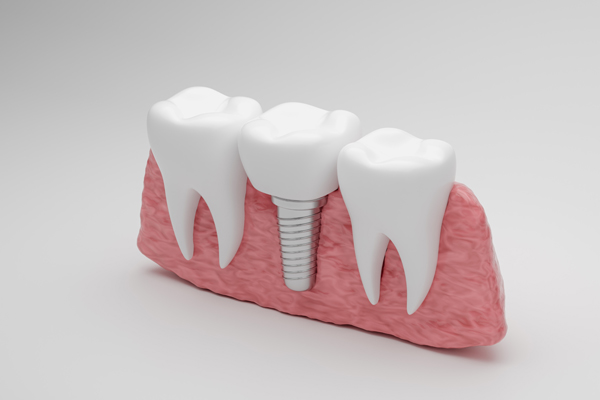
Dental implants feel and function just like natural teeth, and they can last a lifetime. An implant is a rod or screw that is placed in the jawbone. It is usually made out of titanium, but it can also be made out of zirconium.
Dental implants replace missing teeth roots, and restorations like crowns are placed on them to replace missing teeth. This combination helps preserve bone tissues in the jaw. Bone tissue deterioration often occurs when a tooth falls out because it stops getting the stimulation needed to remain healthy. An implant prevents that deterioration by transferring bite forces into the jaw, stimulating the tissues there.
What to expect when getting dental implants
Many patients are thinking about restoring one or more missing teeth with implants. Let us take a closer look at how dental implants are placed.
The evaluation stage
Not all patients qualify for dental implants. Their installation requires oral surgery, which comes with its share of risks, such as pain, inflammation, and infection. Patients are assessed to see if they have existing problems like diabetes, immune system disorders, or gum disease. These can increase the risk of complications like infections developing.
Dentists also examine the patient’s jawbone to see if it is thick enough to hold implants. Some nerves run along the bottom of the jaw, and installing implants on thin jaws can damage them. Patients who lack the required thickness will have to get bone grafts and recover before proceeding with implants. It takes up to three months to recover from bone grafts.
Habits like tobacco, illicit drug, and alcohol use are also discussed during the evaluation phase. Patients might have to give up these habits leading up to the surgery and during the recovery period.
First procedure
The first procedure during the installation of implants starts with the patient being injected with a local anesthetic. The dentist then cuts into the patient’s gums to reach their jawbone and drills a hole for the implant, which is placed inside and held by bone tissues. Any incisions made are sutured up.
Second procedure
The second phase of the installation of implants takes place after the implant has fused with bone tissues around it. The dentist might attach a restoration like a crown directly to the implant or an abutment that holds the restoration.
If an abutment is used, the patient will have to come back for a third appointment to get a restoration placed on the abutment. The advantages of replacing missing teeth with implants include:
- Implants do not require specialized care
- Implants can last a lifetime
- Implants look and feel like natural teeth
- Implants prevent bone tissue loss in the jaw
- Implants prevent the remaining teeth from becoming misaligned as they try to close spaces left by missing teeth
Replace your missing tooth with an implant
Do you have one or more missing teeth? Give us a call or stop by our Camas clinic to learn more about implants and other missing teeth replacement options.
Request an appointment here: https://designdentistry.com or call Design Dentistry at (360) 928-6050 for an appointment in our Camas office.
Check out what others are saying about our dental services on Yelp: Dental Implants in Camas, WA.
Related Posts
Dental veneers and dentures are among the most common treatments that dental providers use to restore patients' smiles. Veneers are thin shells that fit over natural teeth to improve their appearance, while dentures replace missing teeth and restore oral function. Although these treatments serve different purposes, they can sometimes work in combination through a smile…
Visiting a cosmetic dentist is the first step to transforming the appearance of the smile through personalized dental services. While cosmetic improvements are the primary focus, consultations often begin with a thorough evaluation of oral health to ensure a solid foundation for lasting results. Understanding how to prepare for this appointment not only improves communication…
Dental bridges replace missing teeth, restoring smile appearance and bite function. They are noninvasive tooth replacements that rely on the surrounding teeth or dental implants for support. A general or cosmetic dentist will create a dental bridge custom-fit to the patient’s smile, ensuring a natural-looking restoration and optimal oral health.Dental bridges are named for the…
Gum disease treatment can restore health to the smile. A family dentist — who often provides cosmetic services in addition to general dental care — offers targeted solutions based on the severity and progression of gum disease. Early detection and prompt intervention can halt or reverse the condition. Exploring how family dentists treat gum disease…